Taiwanese vs Chinese vs Japanese Tea: What's the Difference?
How Taiwanese tea differs from Chinese and Japanese tea — oxidation, signature styles, and which to choose. A clear comparison for newcomers.
By Mei-Ling Chen · Updated June 1, 2026 · 7 min read
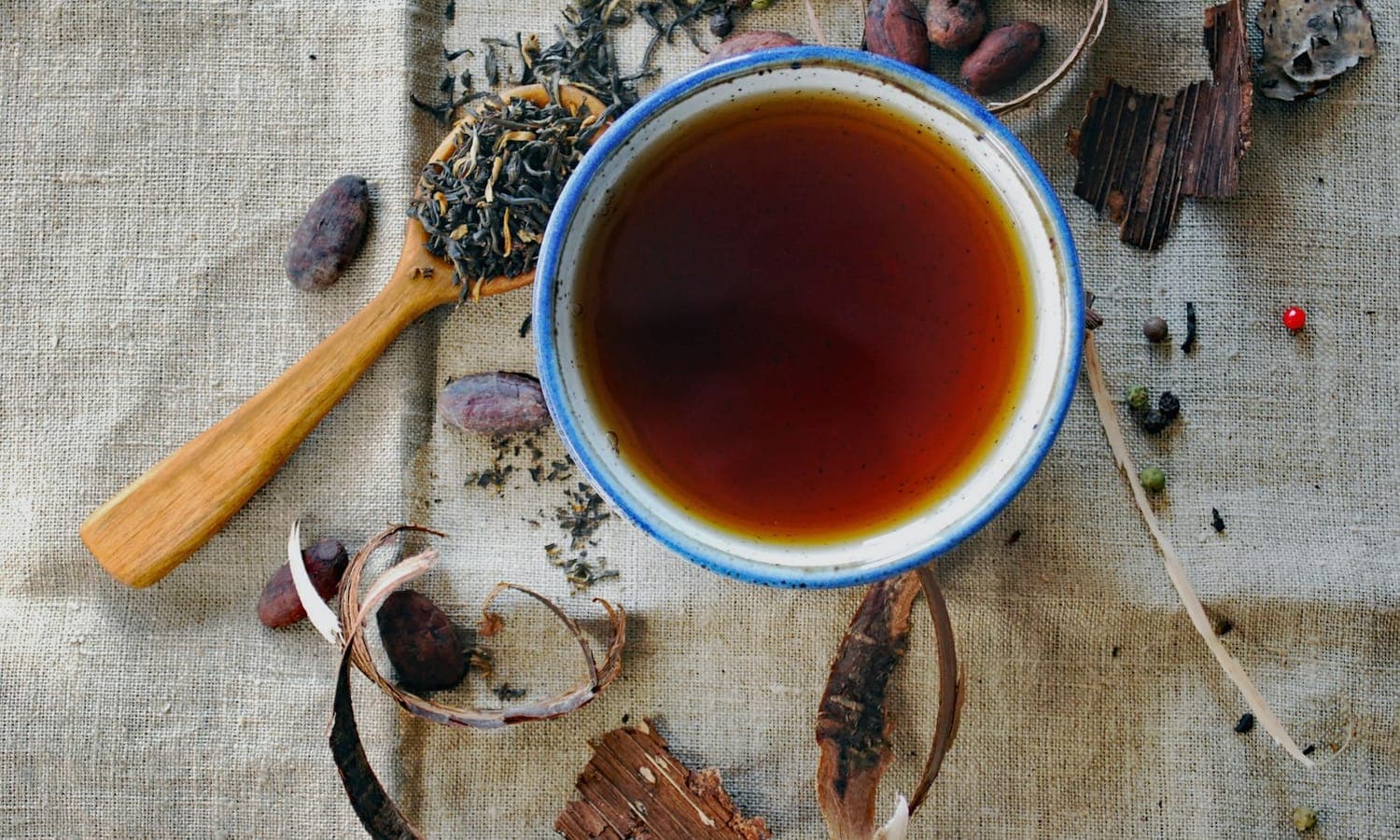
Three tea cultures, three identities
Taiwan, China, and Japan all have deep tea traditions, but each emphasizes different styles. Knowing the difference helps you choose what to drink — and explains why Taiwanese tea stands apart.
Taiwan: the oolong island
Taiwan concentrates on oolong, partially oxidized tea, brewed gongfu style. Its signatures are high mountain oolong, roasted Dong Ding, light Baozhong, and honeyed Oriental Beauty, plus Sun Moon Lake black tea. The hallmark is aromatic sweetness with little bitterness.
China: the full spectrum
China produces every category — green, white, yellow, oolong, black, and dark/pu-erh — across countless regions. Chinese oolong (like Wuyi rock tea or Anxi Tieguanyin) is a cousin of Taiwan's, but China's range is far broader and more varied by province.
Japan: steamed green and matcha
Japan focuses on steamed green tea: sencha, gyokuro, hojicha, and powdered matcha. Brewing favors lower temperatures and fewer steeps. The flavor world is grassy, marine, and umami — quite different from Taiwan's roasted-floral oolong character.
A quick comparison
- Want sweet, aromatic, multi-steep tea? Choose Taiwanese oolong.
- Want maximum variety across categories? Explore Chinese tea.
- Want grassy, umami green tea or matcha? Look to Japan.
Common misconceptions
Many visitors assume all East Asian tea is similar, or that matcha represents the region. In fact Taiwan's identity is specifically oolong — loose-leaf, partially oxidized, and often roasted — not matcha and not Japanese ceremony tea.
Where to begin
If you're in Taiwan, start with a high mountain oolong and a tea-house gongfu session. It's the fastest way to feel what makes the island's tea distinct.
Frequently Asked Questions
- Is Taiwanese tea the same as Chinese tea?
- They share roots and the gongfu brewing tradition, but Taiwan specializes narrowly and deeply in oolong, with its own high mountain and roasting culture, rather than producing the full Chinese spectrum.
- Is matcha a Taiwanese tea?
- No. Matcha is a Japanese powdered green tea. Taiwan's tea culture is built on loose-leaf oolong, not matcha — this guide focuses on Taiwanese tea, and matcha is mentioned only for comparison.
- Which is best for a beginner?
- Taiwanese high mountain oolong is one of the most beginner-friendly fine teas anywhere: sweet, aromatic, low in bitterness, and forgiving to brew.
- Does Taiwan make green tea?
- Yes, some — such as Sanxia Biluochun — but it is a small part of the picture compared with oolong.