What Is High Mountain Tea? A Complete Guide
High mountain tea (gaoshan cha) is Taiwan's most prized oolong, grown above 1,000 meters where cool air and mist produce a uniquely sweet, floral cup.
By Mei-Ling Chen · Updated June 1, 2026 · 7 min read
What is high mountain tea?
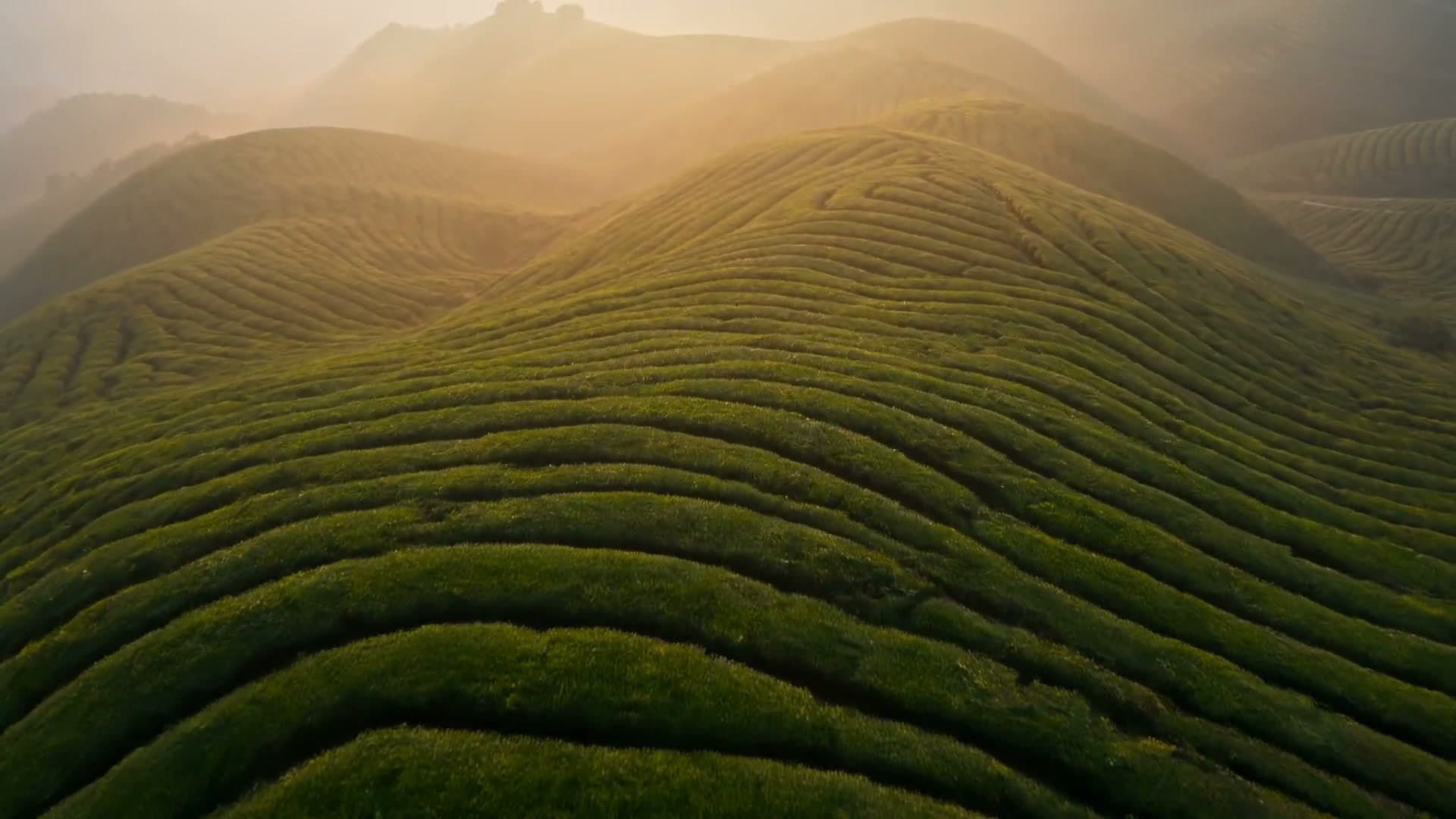
High mountain tea — gaoshan cha (高山茶) — is oolong grown on Taiwan's mountain ranges above roughly 1,000 meters. Cool air, frequent mist, and large day-night temperature swings slow the plant's growth, producing thick, sweet leaves rich in the aromatics that define a great Taiwanese oolong.
Why elevation matters
At altitude, tea bushes photosynthesize during sunny days but grow slowly in cold nights. They store more sugars and amino acids and fewer bitter catechins. That biochemistry produces the signature high mountain cup: sweet, floral, buttery, almost without harshness.
Where it grows
The celebrated regions, roughly from accessible to rarefied, are Alishan, Shanlinxi, Lishan, and Dayuling. Each has its own character, but all share the high mountain hallmarks of clarity and sweetness.
How much it costs
Entry-level high mountain oolong starts around NT$800 per 150g. Single-estate competition lots from Lishan or Dayuling can exceed NT$3,000. Price tracks elevation, harvest season, and hand-processing.
How to brew it
Hot water and short steeps. Use 90–95°C, fill the vessel generously with leaf, steep ~25 seconds first, then extend. Watch the rolled balls slowly open across infusions.
Who it's for
High mountain oolong is the rare fine tea that delights both first-timers and experts. Its sweetness and low bitterness make it forgiving and immediately enjoyable — the perfect entry point to Taiwanese tea.
Visiting the source
To taste it where it grows, head to the Alishan area in Chiayi, where estates offer tastings with views over a sea of clouds. See our Alishan guide and tea-farm route to plan a visit.
Frequently Asked Questions
- Why is high mountain tea more expensive?
- Higher elevations mean slower growth, smaller yields, hand-picking on steep terrain, and greater concentration of sugars and aromatics — all of which raise both quality and cost.
- What elevation counts as 'high mountain'?
- In Taiwan the gaoshan designation generally starts at 1,000 meters. Premium estates like Lishan and Dayuling sit above 2,000 meters.
- How should I brew high mountain oolong?
- Use near-boiling water (90–95°C), a high leaf-to-water ratio, and short steeps (20–40 seconds) extended across many infusions. A good high mountain oolong yields six or more steeps.
- Which harvest is best?
- Spring and winter harvests are the most prized for high mountain oolong, prized for clarity and fragrance; summer leaf is generally less sought after.