Oriental Beauty (Bai Hao): The Honeyed Oolong
Oriental Beauty owes its natural honey and ripe-fruit flavor to a tiny leafhopper. Here's how this heavily oxidized northwest oolong is made and enjoyed.
By Mei-Ling Chen · Updated June 1, 2026 · 6 min read
What is Oriental Beauty?
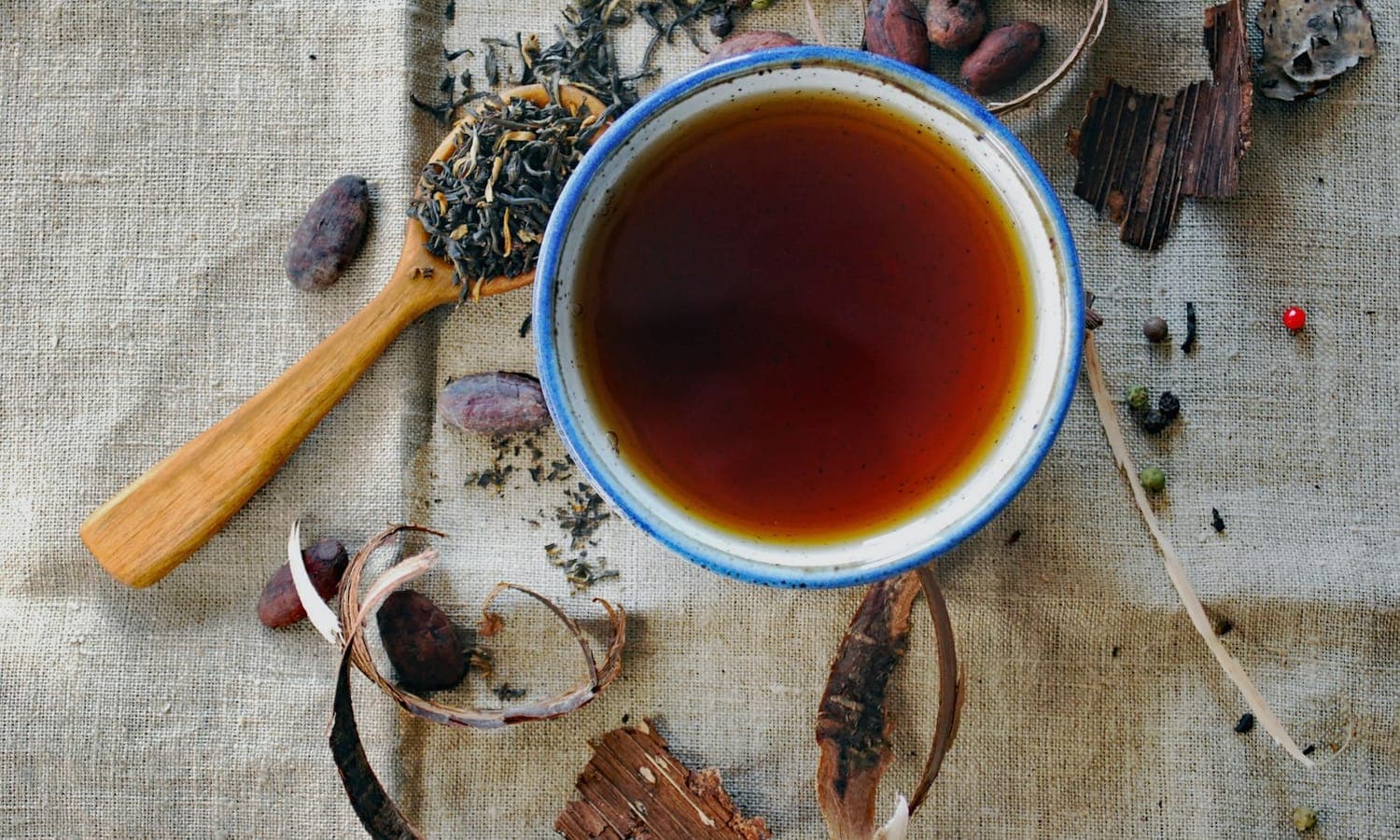
Oriental Beauty (東方美人), also called Bai Hao oolong or Dongfang Meiren, is a heavily oxidized oolong famous for tasting naturally of honey and ripe fruit. Its leaves are tippy and multicolored, and the brew is a deep amber.
The leafhopper secret
The magic comes from an insect. A tiny leafhopper, the tea jassid, bites the young leaves; in response the plant produces aromatic compounds. Harvesting these bitten leaves yields the signature honey-muscat character — which means authentic Oriental Beauty must be grown without pesticides that would kill the insect.
Where it comes from
Its heartland is the northwest: Hsinchu and Miaoli, including Beipu and Emei and the Toufen–Tongluo belt, with related production around Shiding and Longtan. It is typically a summer harvest, when the leafhoppers are active.
How it tastes
Expect honey, ripe peach, muscat grape, and a soft, round body with very little bitterness. Some call it 'Champagne oolong' for its effervescent fruitiness.
How to drink it
It is forgiving: near-boiling water and short steeps work well, and it is lovely both hot and lightly chilled. Its sweetness makes it a crowd-pleaser for newcomers.
Who it's for
Anyone who enjoys fruity, honeyed, low-bitterness tea — and anyone curious how an insect can make a tea world-famous.
Frequently Asked Questions
- Why does Oriental Beauty taste like honey?
- When a small leafhopper (the tea jassid) bites the leaves, the plant releases aromatic compounds in defense. Harvesting these bitten leaves produces natural honey and ripe-fruit notes — no flavoring added.
- Where is Oriental Beauty made?
- Mainly in the northwest hills of Hsinchu and Miaoli — including Beipu, Emei, and the Toufen–Tongluo belt — with related production around Shiding and Longtan.
- Is Oriental Beauty oxidized a lot?
- Yes. It is one of the most heavily oxidized oolongs, which is why its color is dark and its flavor is closer to a fruity, honeyed black tea than to a green high mountain oolong.
- Does it require pesticide-free farming?
- Effectively, yes. The leafhoppers that create the flavor will not thrive where pesticides are used, so authentic Oriental Beauty depends on insect-friendly growing.